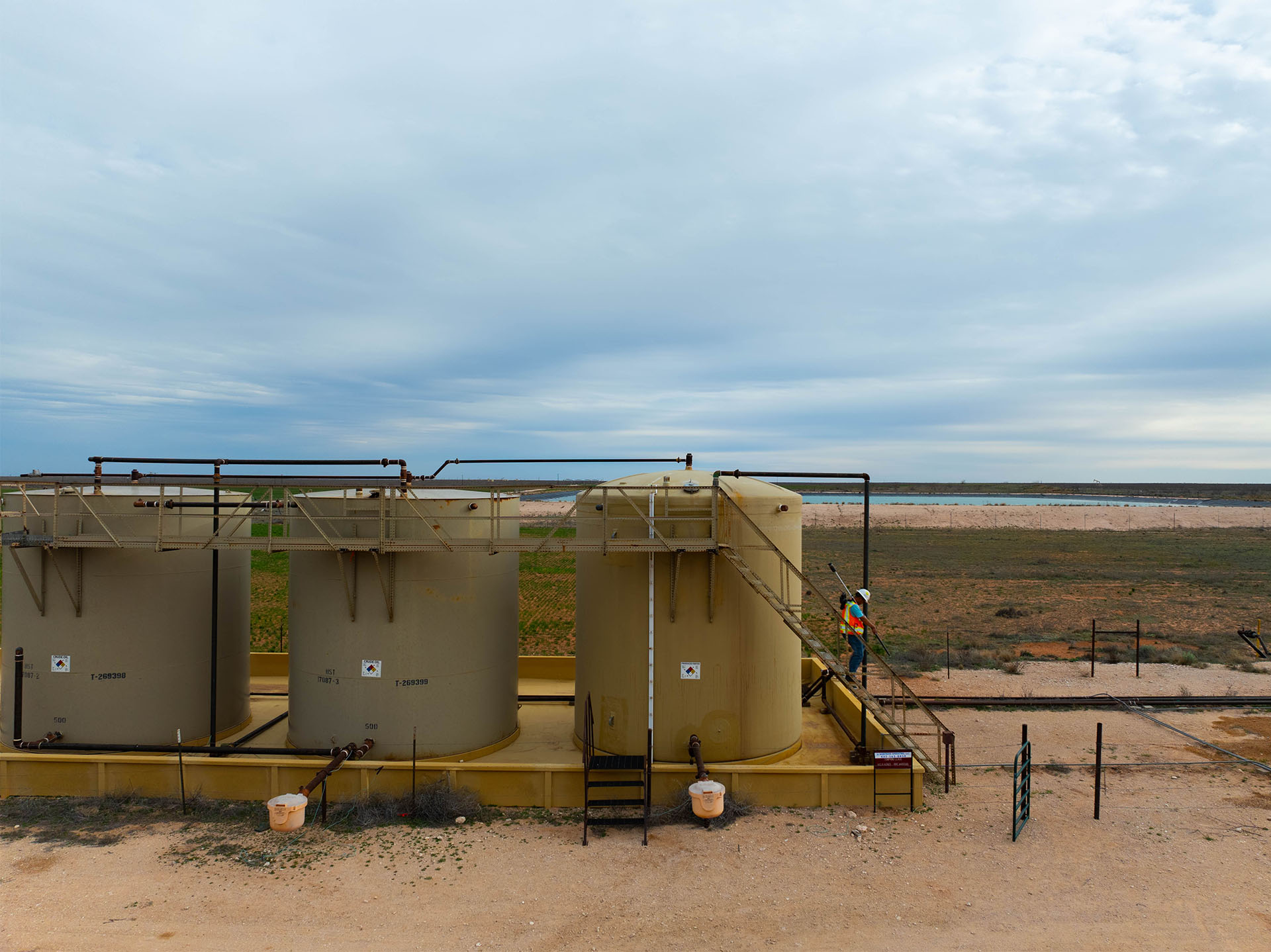
City of Asherton, Texas: Water and Wastewater Improvements
Tompkins Engineering prepared a Preliminary Engineering Report (Facility Plan) and Environmental Report for comprehensive water and wastewater system improvements for the City of Asherton and successfully supported the City in securing USDA Rural Development funding.
The project included planning and design of a new mechanical wastewater treatment plant sized for an average flow of 0.2 MGD and a peak flow of 0.8 MGD to serve population projections through 2030–2040. The improvements replaced an outdated and undersized facultative lagoon and stabilization pond system that lacked adequate buffer zones and treatment performance.
A new Texas Commission on Environmental Quality (TCEQ) 20/20 (BOD₅/TSS) wastewater permit was obtained, providing enhanced treatment performance compared to the existing 30/90 permitted facility. The upgraded system improved effluent quality to the receiving stream while addressing buffer zone requirements relative to surrounding properties.
The wastewater treatment facility incorporates a new main submersible lift station, waste activated sludge (WAS) and return activated sludge (RAS) pump station, sludge pump station, and effluent reuse pump station. Additional wastewater system improvements included full rehabilitation of three existing lift stations, consisting of wetwell rehabilitation and coating, new interior and exterior ductile iron piping, and new emergency generator transfer switches. Infiltration and inflow (I/I) reduction was addressed through wastewater manhole rehabilitation identified during the I/I study.
Water system improvements included rehabilitation of a 75,000-gallon elevated storage tank with new coatings and required Texas Commission on Environmental Quality appurtenances to extend service life. An existing deteriorated 50,000-gallon elevated tank was recommended for demolition and removal. Protective coatings were designed for piping and appurtenances at the existing 150,000-gallon ground storage tank. Additional improvements to the water distribution system included new isolation valves, flush valves, fire hydrants, and looped connections to improve pressure and system reliability. Supporting improvements included building repairs, fencing upgrades, painting, and replacement of high-service pumps at two well sites.
- Location: Karnes City, TX
- Wastewater Engineering
- Services
- Preliminary Engineering Report (Facility Plan)
- Environmental Assessment Report
- TCEQ wastewater treatment permitting
- Infiltration and Inflow (I/I) analysis
- USDA Rural Development funding application support
- Final design and construction documents
- Bid phase assistance
- Construction phase services